Treatment & Surgery
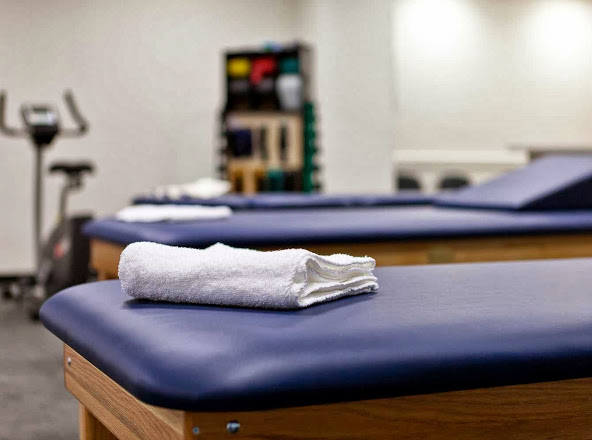
After the incident, you should immediately find care for the knee. Walking and completing everyday activities will be fairly difficult for a few days, so the person to see about your condition would be an orthopedic specialist. The doctor will conduct a few tests to determine the strength of the ligament, although the tests are not 100% accurate so an MRI will most likely follow. An MRI, or magnetic resonance imaging is a machine similar to an X Ray which can see internally. The difference between an MRI and an X ray is that an MRI can see a much more detailed chart of the results. This is because not only bones show, but also ligaments, muscles, and joints. This makes it easy to determine if the person has a torn ACL. In the case of a torn ACL, surgery is necessary to return to sports healthy. For younger people who have strong hamstrings, the surgeons will take a piece of the hamstring or a graft and use it for a permanent substitute for the ACL. A common graft is an autograft using the own person’s body such as tendons. After the anesthesia, small incisions are made to recreate the ACL. After a brief two hours, the operation is complete, you will get crutches for home and can spend about 2-3 weeks with supported walking assuming the ACL is the only injury you acquired. There will also be a brace given to you which should be worn almost always, even though sleep. This leads to physical therapy.
“Just a minor setback for a major comeback!”
-Anonymous
 Recovery Process of a Torn Anterior Cruciate Ligament (ACL)